Understanding Polycystic Ovary Syndrome (PCOS)
Fresh Springs Medical Services
Fresh Springs Medical Services
Understanding Polycystic Ovary Syndrome (PCOS)
Polycystic Ovary Syndrome (PCOS) is a common hormonal condition that affects how your body works. It can impact your periods, your skin, your weight, and your fertility.
While the name sounds a bit scary, it is very manageable. About 1 in 5 women have PCOS, and many lead healthy, active lives with the right support.
What happens in the body?
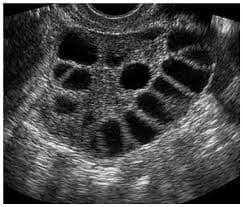
In women with PCOS, the ovaries may develop many small, fluid-filled sacs (follicles). These sacs are often called "cysts," but they are actually underdeveloped eggs. Because of a hormone imbalance, these eggs are not released regularly. This process is called ovulation, and when it doesn’t happen, it can make your periods irregular.
Why does it happen?
Doctors aren't 100% sure why some women get PCOS, but it is usually linked to:
• Genetics: It often runs in families (if your mother or sister has it, you might too).
• Insulin Levels: Higher levels of insulin (the hormone that manages blood sugar) can trigger the body to produce more "male" hormones like testosterone.
• Weight: Being overweight can sometimes make hormonal symptoms more noticeable.
Common Signs and Symptoms
Most women notice symptoms in their late teens or early 20s. You might have PCOS if you experience at least two of these:
• Irregular Periods: Having very few periods, or none at all.
• Heavy Bleeding: When you do have a period, it may be heavier than usual.
• Physical Changes: Persistent acne, excess hair on the face or body, or thinning hair on the head.
• Weight Gain: Finding it very easy to gain weight or difficult to lose it.
• Fertility Struggles: Having a harder time becoming pregnant.
Health Risks to Keep in Mind
Because PCOS affects your metabolism and hormones, managing it early helps prevent long-term issues like:
• Type 2 Diabetes
• High blood pressure or cholesterol
• Heart disease
• Low mood or depression
How is PCOS diagnosed?
There isn’t one single test for PCOS. Your doctor will usually:
1. Discuss your history: Ask about your periods and any physical symptoms.
2. Order Blood Tests: To check your hormone and blood sugar levels.
3. Perform an Ultrasound: A quick scan to look at your ovaries for those small fluid-filled sacs.
Managing PCOS: You Have Options
There is no "cure," but there are many ways to control the symptoms and feel your best.
• Lifestyle First: Healthy eating and regular movement are the most powerful tools. Even losing a small amount of weight (5%–10%) can significantly improve symptoms.
• Medication: Doctors can prescribe pills to regulate your periods, clear up skin, or help with hair growth.
• Fertility Support: If you are trying to conceive, there are many effective treatments to help you ovulate.
The Bottom Line: PCOS affects every woman differently. By working with your healthcare provider and making healthy lifestyle choices, you can take charge of your hormonal health.