
Fibroids: Do you need a Myomectomy?

Fresh Springs Medical Services
Fresh Springs Medical Services
Understanding Your Symptoms and Treatment Options
Uterine fibroids are incredibly common, affecting many women during their reproductive years. While some women never notice them, others experience symptoms that can deeply impact their comfort, confidence, fertility, and daily life.
If you have been diagnosed with fibroids, you might be asking yourself:
- Do I really need surgery?*
- Will this affect my ability to get pregnant?*
- Should I choose a myomectomy or a hysterectomy?*
Understanding your options is the first step toward making the best decision for your health and your future.
What Are Fibroids?
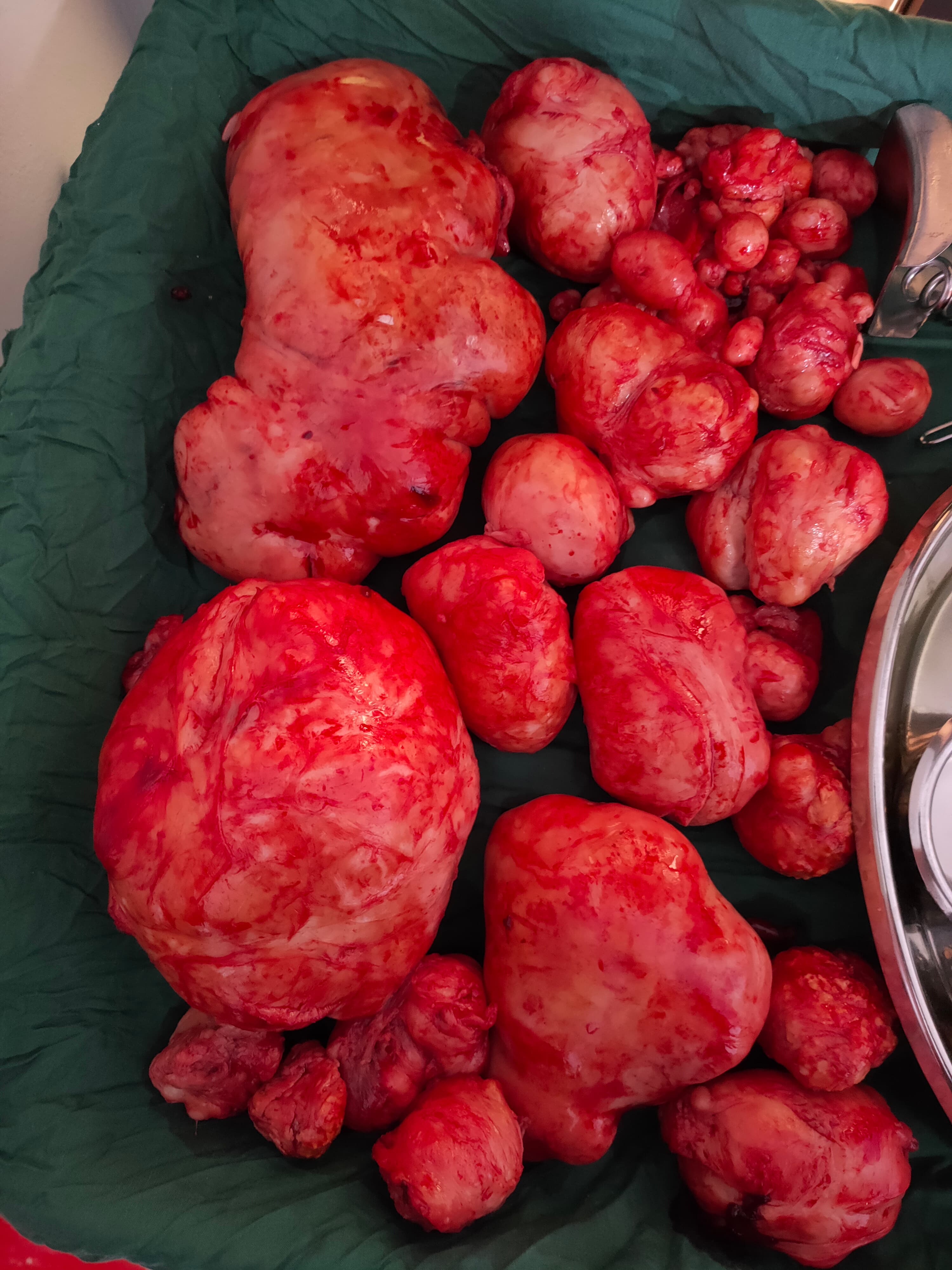
Fibroids (also known medically as **myomas** or **leiomyomas**) are noncancerous growths that develop in or around the uterus (womb).
Size: They can range from the size of a tiny seed to as large as a melon.
Quantity: They can grow as a single, isolated tumor or in large clusters.
Location: They can develop inside the uterine cavity, within the muscular wall, or project outward into the pelvis.
Common Symptoms to Watch For
Many women have fibroids without ever knowing it. However, you should consult a doctor if you experience any of the following disruptive symptoms:
- Heavy menstrual bleeding or periods lasting longer than 7 days
- Pelvic pain, pressure, or a constant feeling of heaviness
- Frequent urination or difficulty emptying your bladder
- Constipation or lower back and leg pain
- Pain during sexual intercourse
- Abdominal swelling or bloating
- Difficulty getting pregnant
*What Is a Myomectomy?*
A myomectomy is a surgical procedure that removes fibroids while keeping your uterus completely intact. For many women, this is the preferred option because it relieves painful symptoms while preserving fertility for future pregnancies. Unlike a hysterectomy, your uterus is not removed.
*When Might You Need a Myomectomy?*
Not all fibroids require surgical intervention. However, a myomectomy is often recommended if:
1. **Your symptoms are severe:** Heavy bleeding and chronic pain are interfering with your daily activities and well-being.
2. **Fibroids are affecting your fertility:** The size or location of the growths makes it harder to conceive or safely carry a pregnancy to term.
3. **They are growing quickly:** Rapidly enlarging fibroids require prompt medical evaluation.
4. **You want to protect your reproductive goals:** You plan to have children in the future or simply prefer to keep your uterus intact.