Physical and Emotional Changes in Pregnancy

Fresh Springs Medical Services
Fresh Springs Medical Services
Physical and Emotional Changes in Pregnancy
Pregnancy brings significant changes to a woman’s body and mind. Understanding these changes helps reduce anxiety and promotes healthy coping.
🟢 Physical Changes
These changes occur due to hormonal shifts (especially progesterone and estrogen) and the growing baby.
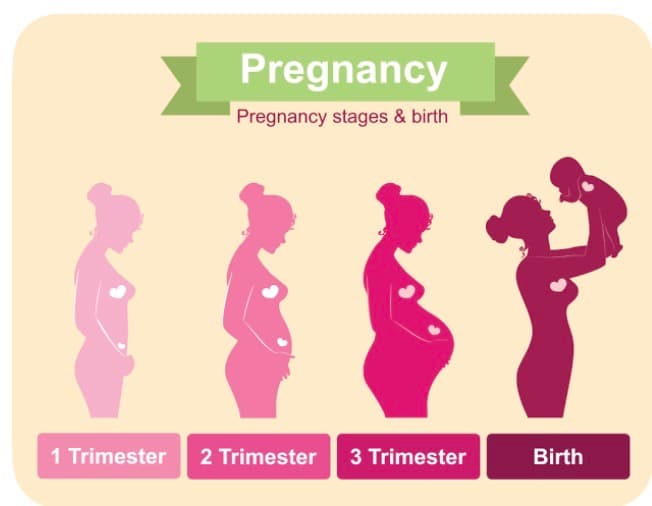
🌿 First Trimester (0–13 weeks)
• Missed period
• Nausea and vomiting (“morning sickness”)
• Breast tenderness and enlargement
• Fatigue and excessive sleepiness
• Frequent urination
• Mood swings
• Mild abdominal cramps
• Increased vaginal discharge
🌿 Second Trimester (14–27 weeks)
• Reduced nausea
• Increased appetite
• Visible baby bump
• Back pain
• Skin changes (stretch marks, dark line on abdomen)
• Leg cramps
• Nasal congestion
• Feeling baby movements (quickening)
🌿 Third Trimester (28 weeks to birth)
• Shortness of breath
• Swollen feet and ankles
• Difficulty sleeping
• Heartburn
• Braxton Hicks contractions
• Pelvic pressure
• Frequent urination (again)
🟢 Emotional Changes
Hormones, body changes, and anticipation of motherhood can affect emotions.
Common Emotional Experiences:
• Mood swings
• Increased sensitivity
• Anxiety about baby’s health or labour
• Excitement and joy
• Irritability
• Crying easily
• Fear of childbirth
• Concerns about body image
🟢 When Emotional Changes Need Attention
It’s important to seek help if there is:
• Persistent sadness
• Loss of interest in usual activities
• Severe anxiety or panic attacks
• Difficulty sleeping unrelated to discomfort
• Thoughts of self-harm
Emotional wellbeing is just as important as physical health during pregnancy.
🟢 How to Cope
• Adequate rest
• Balanced nutrition
• Light exercise (if doctor-approved)
• Attending antenatal classes
• Talking to supportive family or friends
• Practicing relaxation techniques