How Many C-Sections Are Safely Possible?

Fresh Springs Medical Services
Fresh Springs Medical Services
How Many C-Sections Are Safely Possible?
A Caesarean section (C-section) is a common, life-saving procedure. If you have already had one, it is natural to wonder: "How many more can I safely have?"
While there is no "magic number" that applies to everyone, here is what you need to know about the risks, recovery, and planning for your next delivery.
Is There a Strict Limit?
No. There is no fixed limit on how many C-sections a woman can have. However, medical experts generally observe that the risks increase with each subsequent surgery.
* The General Recommendation: Many doctors suggest a limit of three planned C-sections.
* The Reality: Some women safely have four, five, or even more. The "safe" number for you depends entirely on how your body has healed from previous surgeries.
What Factors Influence Your Safety?
Every pregnancy is unique. Your specialist will look at these four key areas to determine what is safe for you:
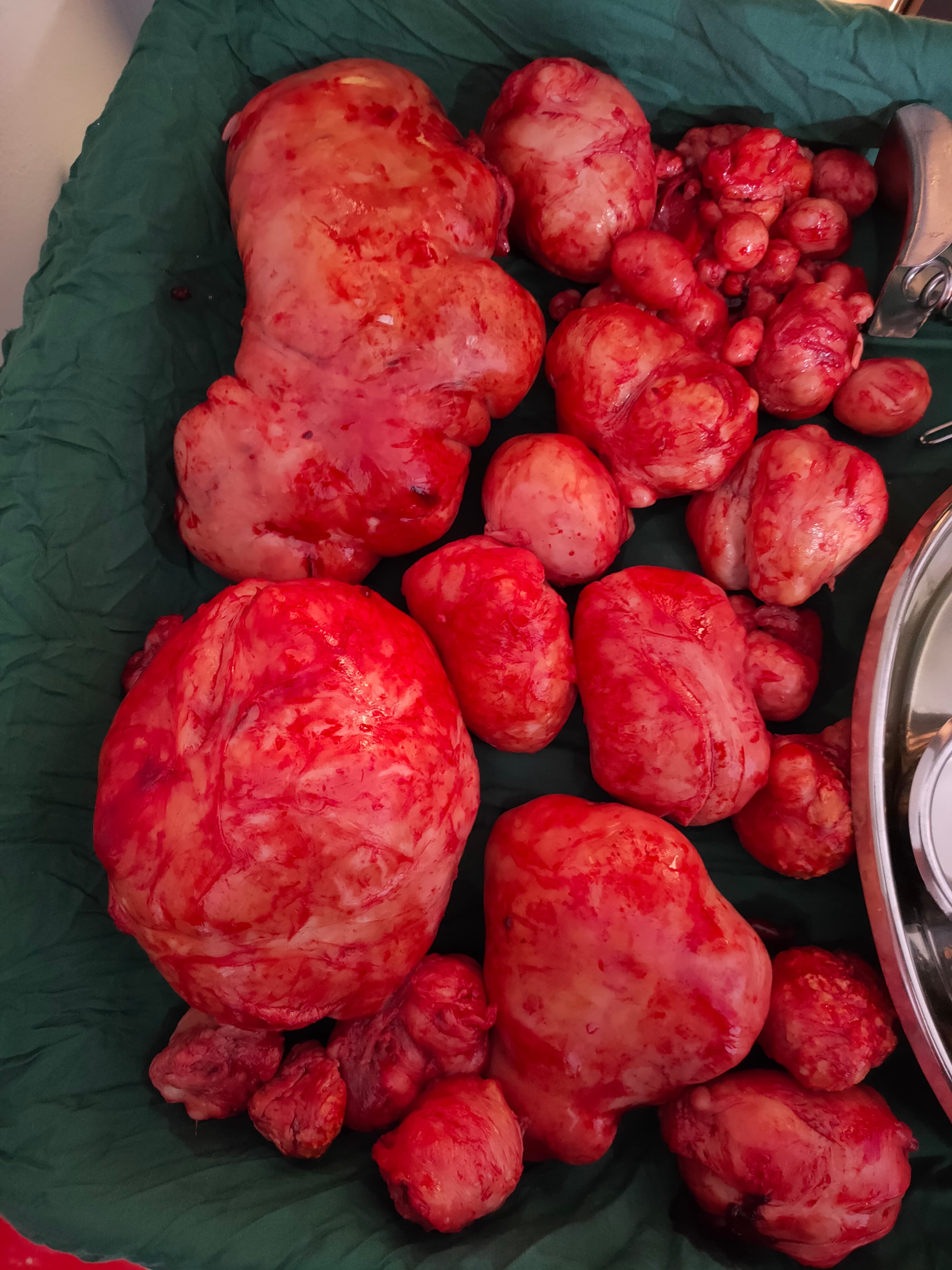
* Scar Tissue (Adhesions): Each surgery creates scar tissue. Too much scarring can make future operations more complex or increase the risk of injury to nearby organs like the bladder or bowel.
* Uterine Health: The strength and thickness of your uterine wall (the womb) are vital for a healthy pregnancy.
* Previous Complications: If you experienced heavy bleeding or infections in the past, your doctor may advise more caution.
* Healing Ability: Your overall health and how quickly you recovered from your last delivery play a major role.
Understanding the Risks of Multiple C-Sections
While most repeat C-sections are successful, the following risks become more common after the third surgery:
* Placenta Issues: Conditions like Placenta Accreta (where the placenta grows too deeply into the womb) become more likely. This risk rises from about 0.5% after two surgeries to 6% by the sixth.
* Heavy Bleeding: This may lead to the need for a blood transfusion.
* Uterine Rupture: A rare but serious tear in the wall of the womb.
* Hysterectomy: In severe cases of complications, the womb may need to be removed to protect the mother's life.
Does Timing Matter?
Yes. Giving your body enough time to repair itself is one of the best ways to ensure a safe future pregnancy.
The Golden Rule: Most experts recommend waiting 18 to 24 months after a C-section before getting pregnant again. This "spacing" allows the uterine scar to reach its maximum strength.
Planning Your Next Step
At Fresh Springs IVF, we believe in personalized care rather than "one-size-fits-all" rules. To ensure the best outcome for you and your baby, we recommend:
* Early Discussion: Talk to us about your long-term family goals early on.
* Surgical Review: Let us review your previous operative notes to understand your specific healing pattern.
* Careful Spacing: Plan your pregnancies to give your body the rest it deserves.
Have questions about your previous surgeries or future plans?
Our fertility and obstetric specialists are here to guide you.
[Book a Consultation Today]