GYNECOLOGICAL CANCER SCREENING

Fresh Springs Medical Services
Fresh Springs Medical Services
Gynecological Cancer: What Every Woman Needs to Know
Finding cancer early-before it spreads-is the best way to ensure successful treatment and a long, healthy life.
What is Screening?
Screening is a routine check-up for your reproductive health.
* It’s for healthy people: You don't wait for pain or symptoms to get screened.
* It’s preventive: If your doctor suggests a test, it doesn't mean you have cancer; it means they are looking out for you.
The 5 Main Types of Gynecological Cancer
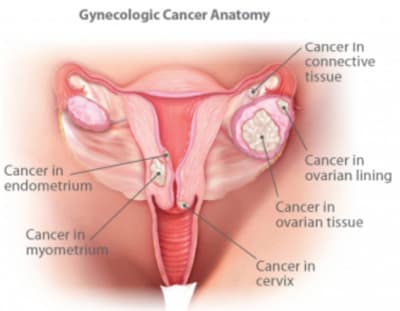
These cancers affect different parts of the reproductive system:
* Cervical: The lower part of the uterus (womb).
* Ovarian: The ovaries.
* Uterine: The inside of the womb.
* Vaginal: The birth canal.
* Vulvar: The outer part of the female genitals.
Important Note: Currently, Cervical Cancer is the only one with a reliable, routine screening test. For the others, paying attention to your body is your best defense.
Cervical Cancer Screening: Your Best Tool
Cervical cancer is highly preventable. Doctors use two main tests to find cell changes before they ever become cancer:
* Pap Smear / Pap Test: A quick swab to look at cells under a microscope.
* HPV Test: Checks for the virus that causes most cervical cancers
Warning Signs: Listen to Your Body
See a doctor if you notice any of the following "Red Flags":
* Bleeding changes: Bleeding between periods, after sex, or after menopause.
* Discharge: Any unusual or foul-smelling vaginal discharge.
* Pain: Persistent pain in your lower belly or pelvis, or pain during sex.
* Skin changes: Sores, lumps, or itching on the vulva that won't go away.
Are You at Risk?
While anyone can develop these cancers, your risk may be higher if you:
* Have a family history of breast, ovarian, or colon cancer.
* Are older (risk typically increases with age).
* Have an active HPV infection.
* Smoke or struggle with obesity.
4 Steps to Protect Yourself
* Get Screened: Follow your doctor’s schedule for Pap tests.
* Get Vaccinated: The HPV vaccine can prevent the virus that causes most cervical cancers.
* Know Your History: Talk to your relatives about their health history.
* Speak Up: If something feels "off," don't wait.
Early detection saves lives.