DIABETES MELLITUS

Fresh Springs Medical Services
Fresh Springs Medical Services
Understanding Diabetes: A Quick Guide
Diabetes is a condition where your blood sugar (glucose) stays too high. Think of glucose as the fuel your body needs for energy. To use that fuel, your body needs a key called insulin. If your body doesn't make enough insulin or can't use it properly, the "fuel" builds up in your blood instead of reaching your cells.
Are You at Risk?
You may be at a higher risk of developing diabetes if you:
* Are 45 years or older.
* Are living with overweight.
* Have high blood pressure or high cholesterol.
* Have a family history (parents or siblings) of diabetes.
* Have been told you have prediabetes (sugar levels that are high, but not yet in the diabetes range).
Common Warning Signs
Your body often sends signals when blood sugar is too high. Watch for:
* The "3 Poly's": Feeling unusually thirsty (polydipsia), very hungry (polyphagia), or needing to pee more often than usual (polyuria).
* Unexplained Changes: Losing weight without trying or feeling exhausted all the time.
* Physical Red Flags: Blurry vision, tingling in your hands or feet, or sores that take a long time to heal.
The Different Types
Type 1:
What is happening: The body stops making insulin entirely.
Common treatment: Daily insulin shots or a pump.
Type 2: What is happening: The body doesn't use insulin well (most common).
Common treatment: Healthy eating, activity, and often pills or insulin.
Gestational: What is happening: High blood sugar that starts during pregnancy.
Common treatment: Monitoring and diet; usually goes away after birth.
How is it Diagnosed?
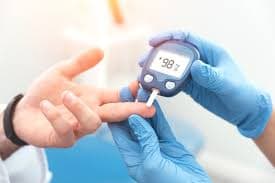
Doctors use simple blood tests to see how your body handles sugar:
* Fasting Sugar: Taken after you haven't eaten for 8 hours. A result of 126 mg/dL or higher usually indicates diabetes.
* A1c Test: This measures your average blood sugar over the last 3 months. A result of 6.5% or higher is the typical diagnostic mark.
It is a startling reality that many people live with diabetes without even realizing it. Often, the condition only comes to light when physical symptoms like extreme thirst and frequent urination become impossible to ignore.
Understanding your blood sugar numbers is the first step in taking control of your health. Here is a simple breakdown of how doctors use blood glucose (sugar) levels to diagnose the condition.
The diagnosis of diabetes is based on the presence of blood glucose concentrations equal to or greater than 126 mg per 100 ml (7.0 mmol per litre) after an overnight fast or on the presence of blood glucose concentrations greater than 200 mg per 100 ml (11.1 mmol per litre) in general. People with fasting blood glucose values between 100 and 125 mg per 100 ml (6.1 to 6.9 mmol per litre) are diagnosed with a condition called impaired fasting glucose (prediabetes). Normal fasting blood glucose concentrations are less than 100 mg per 100 ml (6.1 mmol per litre).
Why Management Matters
Leaving high blood sugar untreated is like leaving salt water in a pipe; over time, it can damage the system. Staying in control helps you prevent:
* Heart Health: Reducing the risk of heart attack or stroke.
* Vital Organs: Protecting your kidneys and your vision.
* Mobility: Preventing nerve damage and foot infections.
Steps You Can Take Today
* Move More: Aim for a daily walk or any activity you enjoy.
* Eat Mindfully: Focus on fiber-rich foods and smaller portions.
* Partner with your Doctor: Take medications exactly as prescribed and keep up with your regular checkups (eyes, feet, and blood work).
Next Step: If any of these symptoms or risk factors sound familiar, would you like me to help you draft a list of specific questions to take to your next doctor's appointment?