
Contraception (Birth Control)

Fresh Springs Medical Services
Fresh Springs Medical Services
Contraception (Birth Control)
Contraception is any method used to prevent pregnancy. Most methods work by either:
• Stopping an egg from being released.
• Stopping sperm from reaching an egg.
• Stopping a fertilized egg from attaching to the womb.
Note: Most birth control is reversible. Once you stop using it, your fertility typically returns to its natural baseline. No method (except not having sex) is 100% effective, but many are over 99% effective when used correctly.
How Does it Work?
There are four main ways birth control prevents pregnancy:
1. Stopping the Egg (Hormonal Methods)
These methods use hormones to tell your ovaries not to release an egg (ovulation). If there is no egg, there is nothing for sperm to fertilize.
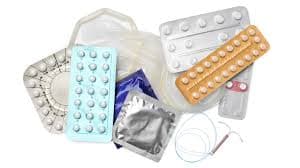
• Daily: Combined Pill or Mini-pill.
• Weekly/Monthly: Contraceptive Patch or Vaginal Ring.
• Long-Term: The Injection (every 3 months) or the Implant (a small rod in the arm lasting 3 years).
2. Blocking the Sperm (Barrier Methods)
These create a physical wall so sperm cannot reach the egg. Condoms are the only method that also protects against Sexually Transmitted Infections (STIs).-Dual protection
• Physical Barriers: Male and female condoms, diaphragms.
• Permanent Barriers: Sterilization (Vasectomy for men or "tying the tubes" BTL for women).
3. Protecting the Womb (Intrauterine Methods)
Often called "The Coil," these are small T-shaped devices placed inside the womb by a healthcare professional.
• Hormonal Coil (IUS): Thins the lining of the womb and thickens cervical mucus to block sperm.
• Copper Coil (IUD): Contains no hormones; the copper naturally kills sperm.
4. Natural Methods (Fertility Awareness)
This involves tracking your menstrual cycle to avoid sex on "fertile days
" or using the withdrawal method.
Choosing the Best Method for You
The "best" method is the one that fits your lifestyle and medical history. Consider these questions:
• Frequency: Do you want to do something every day (pill) or "fit and forget" (implant or coil)?
• Hormones: Do you prefer a hormone-free option (condoms or copper coil)?
• Side Effects: Some methods can make periods lighter or clearer for skin, while others may change your cycle.
Finding the right fit: It is common to try one method and realize it doesn’t suit you. About 1 in 10 people switch methods after a few months. Your doctor or nurse can help you switch safely.
What if things go wrong?
If a condom breaks, you miss a pill, or you have unprotected sex, Emergency Contraception can help