Caring for Your Low Birth Weight (LBW) Baby

Fresh Springs Medical Services
Fresh Springs Medical Services
Caring for Your Low Birth Weight (LBW) Baby: Why Every Detail Matters
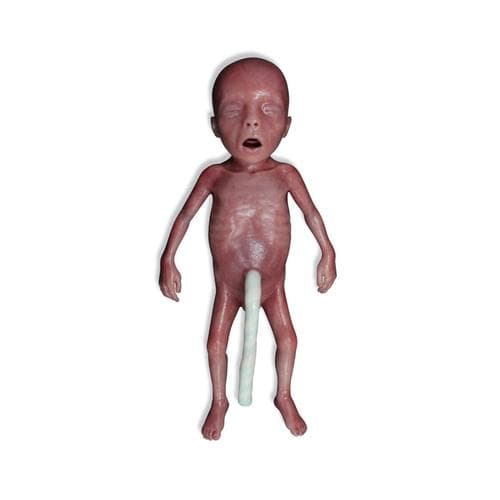
A Low Birth Weight (LBW) baby is any newborn weighing less than 2.5 kg (2500g). Because these little ones arrive with fewer energy reserves and more delicate systems, the first few weeks are a critical window for growth and protection.
Why Does My Baby Need Extra Monitoring?
Because LBW babies are smaller, their bodies work much harder to perform basic functions. Close observation helps manage these six vital areas:
1. Breathing Support: Their lungs may be immature. We monitor them to ensure they aren't struggling to breathe or experiencing long pauses between breaths.
2. Temperature Control: Small babies lack "brown fat" (the body's natural insulation). They lose heat rapidly, and a cold baby uses up precious energy just trying to stay warm instead of using it to grow.
3. Feeding Challenges: Sucking and swallowing require coordination that LBW babies are still developing. They may need smaller, more frequent feeds or specialized techniques.
4. Stable Blood Sugar: Without much stored glucose, they are prone to hypoglycemia (low blood sugar), which can lead to lethargy or jitteriness if not managed.
5. Steady Weight Gain: Weight is our best "report card." Consistent daily gains confirm that the baby is absorbing nutrients and getting stronger.
6. Immune Protection: Their immune systems are still "under construction." Subtle changes-like a lack of activity or a change in skin color-can be the first sign of an infection.
Practical Care Tips for Parents
• Practice "Kangaroo Mother Care" (KMC): Skin-to-skin contact is the "gold standard" for LBW babies. It regulates their heartbeat, keeps them warm, and encourages breastfeeding.
• Prioritize Hygiene: Always wash your hands before touching the baby or handling feeding equipment. Limit visitors to prevent exposure to germs.
• Follow a Strict Feeding Schedule: Even if the baby doesn't wake up crying, they likely need to eat every 2–3 hours to keep their strength up.
• Create a Warm Nest: Ensure the room is draft-free and the baby is dressed in layers, including a cap, as a lot of heat is lost through the head.
 When to Call the Doctor Immediately
Keep a close eye out for these "Danger Signs":
• Difficulty Breathing: Grunting sounds, flared nostrils, or the chest pulling in deeply.
• Temperature Issues: The baby feels very cold to the touch or has a fever.
• Poor Feeding: The baby is too weak to suck or refuses multiple feeds.
• Lethargy: If the baby is unusually drowsy or difficult to wake up.
• Color Changes: The skin looks pale, blue, or very yellow (jaundice).
A Note of Encouragement: While the early days require extra vigilance, remember that with consistent care and nutrition, most LBW babies catch up beautifully and go on to lead healthy, vibrant lives.